

Ein unruhiger Anfang
Wagner wurde in eine Epoche der Umbrüche geboren und fand zum Theater, noch bevor er die Musik vollständig beherrschte. Drama, Mythos, Sprache und Klang waren für ihn nie getrennte Gebiete.
Eine digitale Welt Richard Wagners
Seine Opern, die Orte, die sie prägten, und die Bühnen, auf denen sie heute leben.
Prolog / Die radikale Idee
Diese Suche bestimmte, wie er schrieb, wie er das Publikum dachte und weshalb er schließlich ein Theater in Bayreuth errichten ließ. Hier folgen Text, Bild, Raum und Klang demselben Prinzip: Jedes Element bewegt sich als Teil einer gemeinsamen Erfahrung.
Der Scroll bestimmt das Tempo. Jede Geste wartet auf deinen Rhythmus.
Akt II / Richard Wagner
Richard Wagner war Komponist, Dichter, Dirigent und Theatermacher. In fünf Jahrzehnten verwandelte er Mythos und dramatisches Experiment in dreizehn vollendete Bühnenwerke und ließ schließlich das Festspielhaus für ihre Aufführung bauen.
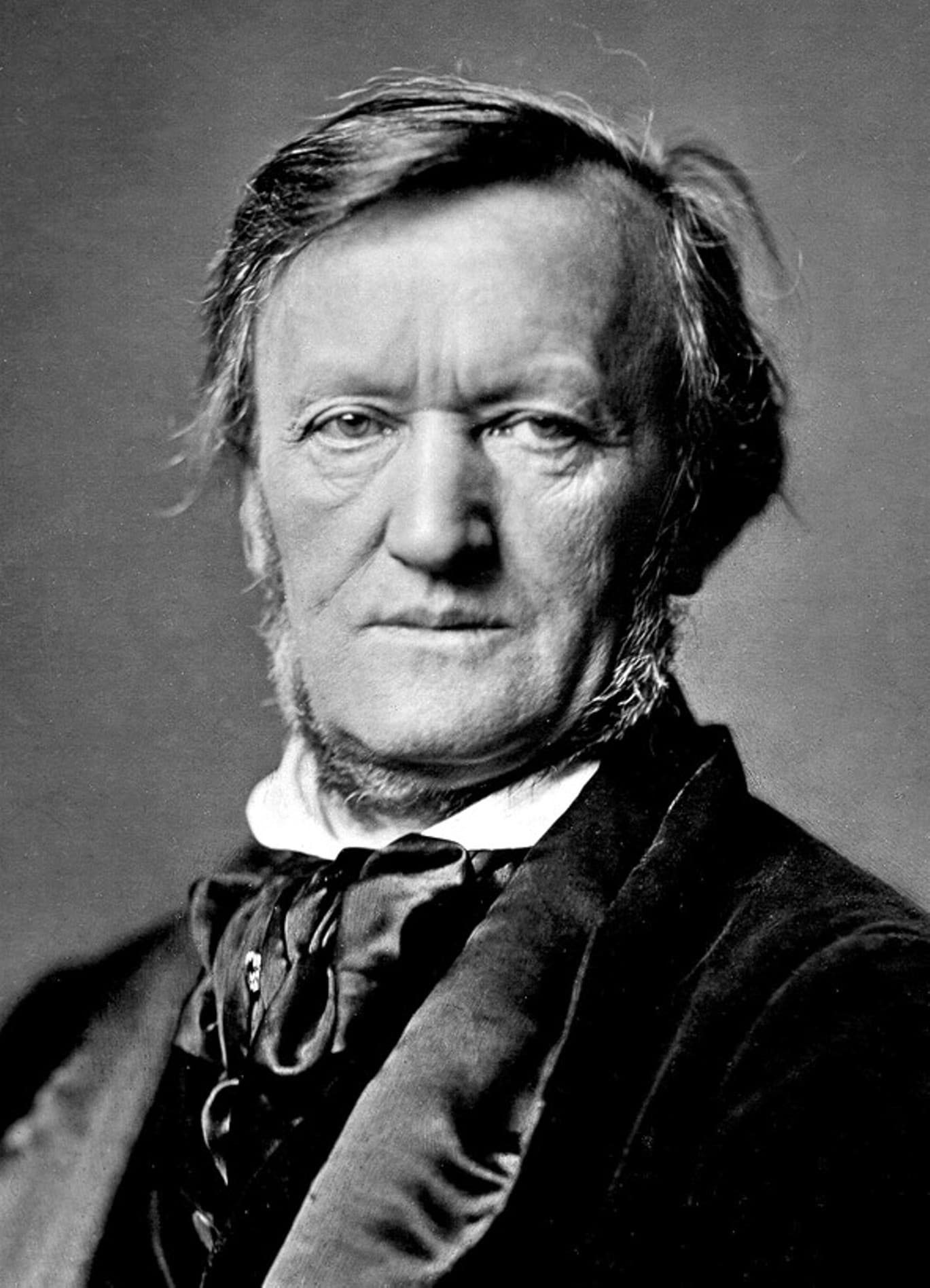
Richard Wagner, fotografiert von Franz Hanfstaengl, 1871
Wagner wurde in eine Epoche der Umbrüche geboren und fand zum Theater, noch bevor er die Musik vollständig beherrschte. Drama, Mythos, Sprache und Klang waren für ihn nie getrennte Gebiete.
Seine Beteiligung am Dresdner Maiaufstand zwang ihn zur Flucht aus Sachsen. Das Exil wurde zum Labor für Schriften, Dichtungen und musikalische Entwürfe, die seine Kunst neu ordneten.
Ludwig II. von Bayern bewahrte Wagner vor dem finanziellen Zusammenbruch. Die Förderung machte Tristan, den Ring und das dafür gedachte Theater praktisch möglich.
Die ersten Bayreuther Festspiele zeigten den vollständigen Ring in einem eigens gebauten Theater. Architektur, Dunkelheit und verborgener Klang wurden Teil der Komposition.
Wagner starb wenige Monate nach der Uraufführung des Parsifal. Zurück blieb kein abgeschlossenes Denkmal, sondern ein bis heute lebendiges Theater aus Musik, Mythos und Form.
Akt III / Die vollständigen Bühnenwerke
Die Reise beginnt vor dem vertrauten Bayreuther Kanon. Die Feen, Das Liebesverbot und Rienzi stehen neben den zehn späteren Werken, nicht als Fußnoten, sondern als Räume desselben sich entwickelnden Theaters.
Katalog / 1833 bis 1882
Über fünf Jahrzehnte werden Märchen, Komödie, politisches Spektakel und Mythos schrittweise zu einer neuen Form des Musikdramas. Das Frühwerk ist Teil dieser Transformation, nicht bloß ein Vorspiel außerhalb von ihr.
Seitlich weiter Nach unten weiter01 / Frühwerk
Die erste vollendete Welt
Ein Sterblicher überschreitet die Grenze zum Feenreich, wo Liebe durch Verbot, Verlust und die Macht des Gesangs geprüft wird.
02 / Frühwerk
Begehren gegen das Verbot
Eine Stadt versucht, die Lust zu verbieten. Karneval, Heuchelei und sinnliche Freiheit verwandeln Autorität in Farce.
03 / Frühwerk
Die Menge erschafft einen Helden
Ein Volkstribun steigt durch öffentliche Hoffnung auf und fällt, als Spektakel, Glaube und politische Macht ununterscheidbar werden.
04 / Bayreuther Kanon
Ein Leben ohne Ankunft
Eine endlose Fahrt könnte durch Treue beendet werden, doch auch das Versprechen der Erlösung trägt Gewalt in sich.
05 / Bayreuther Kanon
Begehren und Urteil
Heilige und sinnliche Welten prallen aufeinander. Keine von beiden vermag den ganzen Menschen zu umfassen.
06 / Bayreuther Kanon
Die verbotene Frage
Vertrauen wird ohne Wissen verlangt. Das Wunder zerbricht in dem Augenblick, in dem das Geheimnis benannt wird.
07 / Bayreuther Kanon
Der Raub, aus dem eine Welt entsteht
Gold wird zum Ring, der Ring zum Gesetz, und der erste Handel trägt bereits die kommende Katastrophe in sich.
08 / Bayreuther Kanon
Liebe bricht das Gesetz
Menschliche Nähe erweist sich als wahrhaftiger als göttlicher Befehl, und Strafe wird zu einem Akt unmöglicher Fürsorge.
09 / Bayreuther Kanon
Nacht ohne Ende
Harmonie wird selbst zur Sehnsucht und bewegt sich auf eine Auflösung zu, die das Leben nicht gewähren kann.
10 / Bayreuther Kanon
Tradition wird lebendig
Eine Kunstform überlebt nicht durch starre Regeln, sondern indem eine neue Stimme sie verwandeln darf.
11 / Bayreuther Kanon
Ein Held ohne Erinnerung
Furchtlos, weil er keine Vorsicht geerbt hat, durchquert Siegfried die Ruinen der alten Ordnung und weckt, was sie einschließen wollte.
12 / Bayreuther Kanon
Die Ordnung verbrennt
Verrat schließt den Kreis. Götter, Helden und Verträge verschwinden, bevor der Ring zum Rhein zurückkehren kann.
13 / Bayreuther Kanon
Mitleid als Erkenntnis
Ein letztes Bühnenritual, in dem Leiden nur durch Mitgefühl verstanden wird und Zeit selbst zum Raum zu werden scheint.
Jenseits der vollendeten Werke
Wagner hinterließ einen zweiten, spektraleren Katalog aus aufgegebenen Partituren, Szenarien und Prosaskizzen. Auch sie gehören in das künftige Archiv.
Ein Gegenstand, vier Abende, eine Welt im Zusammenbruch
Akt IV / Der Ring des Nibelungen
Der Ring ist keine Folge von Abenteuern, sondern ein System aus Schulden. Jedes Versprechen kehrt zurück, jeder Besitzanspruch verformt die Zukunft, und das Orchester erinnert sich an alles.
01 / Vorabend
Der Raub, aus dem eine Welt entsteht
Ein Ring verspricht grenzenlose Macht, wenn sein Träger der Liebe entsagt. Der Handel ist geschlossen, bevor die Götter seinen Preis begreifen.
02 / Erster Tag
Liebe bricht das Gesetz
Wotans Ordnung zerbricht, als menschliche Liebe wahrhaftiger erscheint als göttlicher Befehl. Die Strafe wird zugleich zu einem Akt der Zärtlichkeit.
03 / Zweiter Tag
Ein Held ohne Erinnerung
Furchtlos, weil er keine Vorsicht geerbt hat, durchquert Siegfried die Ruinen der alten Welt und weckt, was die Macht einschließen wollte.
04 / Dritter Tag
Die Ordnung verbrennt
Verrat schließt den Kreis. Der Ring kehrt erst zum Rhein zurück, nachdem Götter, Helden und Verträge im Feuer verschwunden sind.
Intermezzo / Worte von der Bühne
Alles, was ist, endet.
Alles Bestehende trägt sein Ende bereits in sich.
Winterstürme wichen dem Wonnemond.
Der Winter weicht, und mit ihm öffnet sich eine neue Welt.
O sink hernieder, Nacht der Liebe.
Die Nacht wird zum Raum jenseits des Tages.
Wahn! Wahn! Überall Wahn!
Die Welt erscheint als ein Geflecht aus Täuschung und Begehren.
Durch Mitleid wissend, der reine Tor.
Erkenntnis entsteht nicht aus Macht, sondern aus Mitgefühl.
Akt V / Wagners Theater
01 / Der verdeckte Graben
Wagner platzierte die Musiker unter einer Haube und außerhalb des Blickfelds. Ihr Klang mischt sich, bevor er in den hölzernen Saal dringt, und löst die Musik von jeder sichtbaren Quelle.
02 / Architektur als Teil des Werks
Der fächerförmige Zuschauerraum, freie Sichtlinien und kontrollierte Dunkelheit sollten das Publikum in Wagners Drama hineinziehen, statt es von außen betrachten zu lassen.
Akt VI / Das Nachleben
Wagners Nachleben verläuft nicht in einer einzigen Einflusslinie. Es setzt sich in Musik, Architektur, Film und jedem Medium fort, das versucht, eine vollständige Welt um sein Publikum zu bauen.
Wiederkehrende Motive benennen nicht nur Figuren. Sie erinnern an Versprechen, legen verborgene Absichten frei und lassen das Orchester über lange Zeiträume hinweg denken.
Dunkelheit, Sichtlinien, der verdeckte Graben und ein geschlossenes Bühnenbild machen die Architektur zu einem aktiven Teil der Aufführung.
Mythos, Sprache, Dinge, Klang und Bildgestaltung wirken als eine verbundene Welt, ein Modell, das bis in Film, Games und immersive Kunst nachhallt.
Lebendiges Repertoire
Das Werk beginnt jeden Abend von neuem
Wagners Opern sind keine unbeweglichen Museumsobjekte. Neue Stimmen, Orchester, Regiearbeiten und Publika verändern fortwährend, wie dieselbe Musik gehört und dasselbe Drama gesehen wird.
Wagner Welten verbindet diese Werke direkt mit den Bühnen, auf denen sie heute zu erleben sind — in der aktuellen und den kommenden Spielzeiten, jeder Termin mit belegter Quelle.
Aufführungswelt öffnen ↗︎Epilog / Die größere Architektur
Opern
Orte
Aufführungen
Gesellschaften
Coda / Das Haus bleibt offen


.jpg)


